Rising Pipeline Investments Create New Opportunities for Pipe Fitting Suppliers
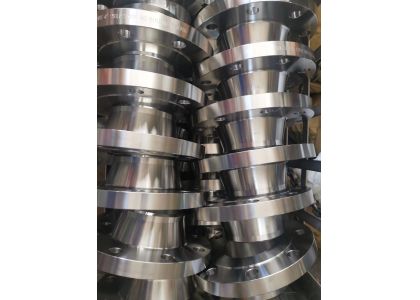
ipeline infrastructure is becoming increasingly important as energy producers expand transportation capacity and respond to growing demand from LNG facilities, power generation and industrial projects.
A recent major order illustrates the scale of current investment. Indian steel pipe manufacturer Welspun Corp secured a record USD 1.8 billion pipe supply contract for projects in the United States. The company said strong demand was coming from oil and gas, LNG export infrastructure and hydrogen pipeline projects.
The development of new pipeline systems also creates demand for a wide range of supporting components. While pipes represent a major part of project procurement, fittings and flanges are critical for connecting straight pipe sections, changing pipeline direction and integrating valves and equipment.
Commonly required products include weld neck flanges, slip-on flanges, blind flanges, elbows, tees, concentric reducers and eccentric reducers. Depending on the application, projects may require carbon steel, stainless steel or alloy steel materials.
For international buyers, compliance with standards such as ASME B16.5, ASME B16.9, API and ASTM is increasingly important. Proper material traceability, dimensional inspection and testing documentation can also play an important role in project approval.
As pipeline investment continues, suppliers capable of providing complete piping solutions can offer greater value to EPC contractors, distributors and industrial customers.