Hydrogen Pipeline Testing Puts New Focus on Flange and Fitting Tightness
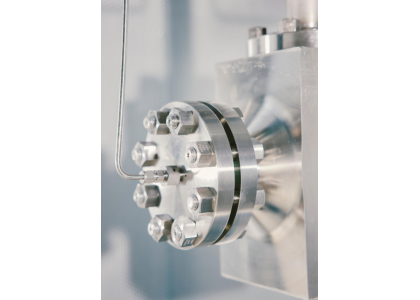
As hydrogen infrastructure moves from pilot projects toward commercial deployment, the performance of pipeline components is receiving increasing attention. In particular, the tightness and reliability of flanges, fittings, gaskets and other mechanical connections are becoming important considerations for hydrogen pipeline designers and operators.
A recent development in Europe highlights this trend. The GERG HYSTIC project began fitting tests in July 2026 at Kiwa facilities to evaluate the sealing performance of components under representative hydrogen operating conditions. The test program includes axial and flexural loads, vibration, temperature cycling, reassembly and over-torque testing. After testing, the components are examined for their ability to prevent hydrogen leakage.
Hydrogen presents a particular challenge for mechanical joints because hydrogen molecules are extremely small and can create higher leakage risks through imperfect sealing interfaces. This makes the quality of flange faces, gaskets, bolting and assembly procedures increasingly important.
For high-pressure hydrogen applications, industry guidance continues to recognize flanged connections as an important solution, particularly for larger diameters where maintenance and disassembly are required. However, proper gasket selection, bolt tightening procedures, flange alignment and surface condition are critical to achieving reliable sealing performance.
The development is significant for manufacturers of industrial flanges and pipe fittings. Traditional requirements such as dimensional accuracy, pressure rating and material certification remain essential, but hydrogen applications may require additional evidence of leak-tightness and material compatibility.
For manufacturers and exporters, this trend could gradually create new demand for higher-quality forged flanges, butt-weld fittings, RTJ connections, precision-machined sealing surfaces and fully traceable materials.
As hydrogen networks expand, flange and fitting suppliers that can provide consistent manufacturing quality, inspection documentation and application-specific technical support will be better positioned to participate in future hydrogen infrastructure projects.