Large-Diameter Flanges: Why Dimensional Accuracy Matters in Modern Pipeline Projects
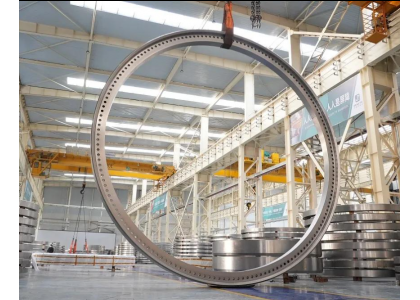
Large-diameter flanges are an essential component in many high-capacity piping systems, including oil and gas pipelines, water infrastructure, power generation and industrial processing facilities.
As pipeline diameters increase, flange manufacturing becomes increasingly demanding. Small deviations in dimensions, bolt-hole positioning, bore diameter, flange thickness or facing can create significant difficulties during installation.
The latest edition of ASME B16.47-2025 covers large-diameter steel flanges from NPS 26 through NPS 60. The standard addresses pressure-temperature ratings, materials, dimensions, tolerances, marking and testing. It includes Class 75, 150, 300, 400, 600 and 900 pressure ratings.
For large-diameter projects, dimensional control is particularly important because the cost of transportation, installation and field modification can be substantial. A flange that does not properly match the mating flange may result in additional machining, delays or installation difficulties.
Key Points for Large-Diameter Flange Procurement
Before purchasing large-diameter flanges, engineering and procurement teams should confirm:
- Nominal pipe size and flange outside diameter
- Pressure class
- Flange type and facing
- Bore diameter
- Bolt-hole diameter and bolt-hole circle
- Flange thickness
- Material grade
- Applicable manufacturing standard
- Dimensional tolerances
- Inspection and testing requirements
Material selection is equally important. Depending on the application, large-diameter flanges may be manufactured from carbon steel, low-temperature carbon steel, stainless steel or other alloy materials.
For international projects, buyers should also pay attention to the relationship between the flange standard and the pipe, valve and equipment connection dimensions.
Quality Control from Manufacturing to Delivery
For large-diameter products, quality control should not focus only on appearance. Dimensional inspection, material verification, machining accuracy and documentation are all important parts of the manufacturing process.
As a professional supplier of industrial flanges and pipe fittings, Hebei Yu Jinduo supports customers with different international standards and customized flange requirements.
Accurate specifications at the quotation stage can help ensure smoother production, inspection and final installation.