Valve and Piping Industry Faces a New Era of Smarter Procurement in 2026
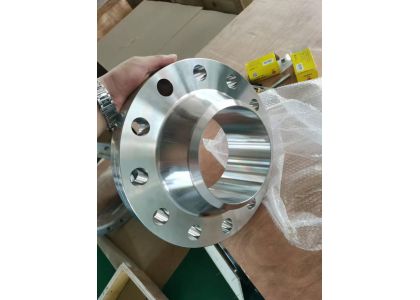
The valve and piping industry is experiencing a shift in procurement strategies as manufacturers and buyers adapt to changing raw-material costs, logistics conditions, project requirements and supply-chain risks.
In 2026, buyers are increasingly looking beyond the lowest quotation. Delivery reliability, material traceability, technical compliance and the supplier's ability to provide complete documentation are becoming important factors in purchasing decisions.
This trend is particularly significant for industrial valves, flanges and pipe fittings used in oil and gas, water treatment, chemical processing and infrastructure projects. A small difference in material grade or manufacturing tolerance can have a significant impact on both product performance and project compliance.
Digitalization is also influencing the industry. Automated valves, remote monitoring and improved production technologies are helping industrial operators increase efficiency while reducing maintenance requirements. At the same time, manufacturers are investing in better quality-control systems and production automation.
For international suppliers, this creates both challenges and opportunities. Exporters need to respond quickly to technical inquiries, understand different international standards and provide reliable documentation such as material certificates, inspection reports and dimensional records.
The future competitive advantage may therefore depend not simply on offering a low price, but on providing a combination of competitive pricing, consistent quality, technical support and dependable delivery.
For global buyers, this means supplier evaluation is becoming increasingly focused on total project value rather than purchase price alone.