Global Steel Trade Measures Bring New Challenges for Flange Buyers
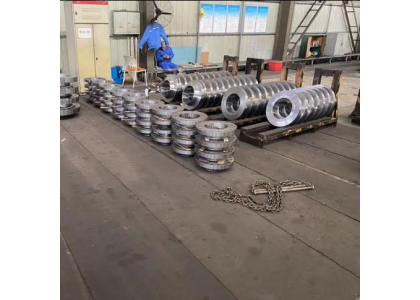
The international steel supply chain is entering a period of greater regulatory and pricing uncertainty, creating new challenges for buyers of carbon steel flanges, stainless steel flanges and pipe fittings.
In 2026, several markets are introducing or adjusting trade measures affecting steel products. For example, the United Kingdom introduced a new steel trade measure from July 1, 2026, reflecting the growing focus on international steel trade and domestic market protection.
For flange buyers, these developments can have an impact beyond the basic product price. Material origin, product classification, documentation, transportation costs and applicable trade policies may all influence the final landed cost.
This makes supplier selection increasingly important.
A competitive flange supplier should be able to provide clear material information, applicable manufacturing standards, inspection documentation and reliable production lead times. For carbon steel products, buyers may also need to pay closer attention to material certificates and heat-number traceability.
Another important factor is early communication. When purchasing large quantities of flanges or fittings for an engineering project, buyers should confirm the required standard, material grade, pressure class, dimensions, flange facing and applicable documentation before placing the order.
Price remains important, but the lowest initial quotation does not necessarily represent the lowest total procurement cost. Incorrect dimensions, missing documents, inconsistent materials or delayed delivery can create additional expenses later in a project.
As international steel markets continue to evolve, professional sourcing and careful supplier evaluation will become increasingly important for global pipeline projects.
For exporters and buyers alike, transparency, technical compliance and stable supply are becoming key elements of long-term cooperation.