How a Pipe Fittings Factory Improves Production Efficiency
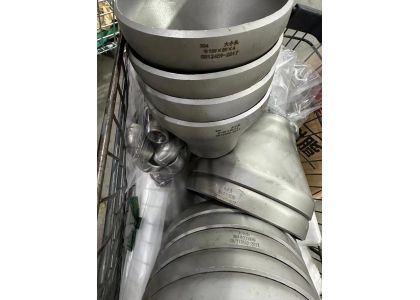
Manufacturing efficiency has become one of the key competitive advantages in today's piping industry. A modern pipe fittings factory continuously upgrades equipment and production management to deliver products faster without sacrificing quality.
The production of elbows, tees, reducers, and caps involves several important stages, including cutting, forming, heat treatment, machining, surface preparation, inspection, and packaging. By optimizing each process, manufacturers can shorten production cycles while maintaining dimensional accuracy.
Digital production planning also plays an important role. Real-time monitoring of orders allows factory managers to coordinate raw materials, machines, and workers more effectively. This reduces downtime and improves delivery performance.
A professional flange factory applies similar principles. CNC machining centers increase precision while reducing manual errors. Automatic marking equipment ensures every flange is clearly identified according to customer requirements and international standards.
Another important factor is inventory management. Keeping commonly used materials such as ASTM A105, ASTM A182 F304/F316, and carbon steel plates in stock allows manufacturers to respond quickly to urgent customer inquiries.
Quality inspection remains an essential part of efficient production. Every finished product is measured before shipment to verify dimensions, drilling, facing, and surface condition. Faster production should never compromise product reliability.
For global buyers, selecting a dependable pipe fittings supplier means receiving stable quality, predictable lead times, and responsive communication. These factors are often more valuable than simply obtaining the lowest price.
As industrial projects continue to expand worldwide, efficient manufacturing systems enable factories to support customers with both standard and customized pipeline components, creating long-term partnerships based on trust and consistent performance.